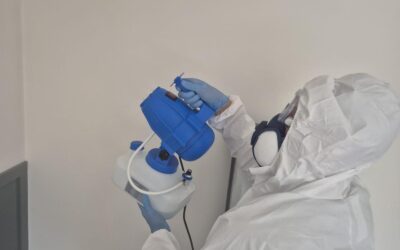
The aftermath of a trauma – whether a crime, an accident, or a suicide – leaves a profound mark that goes far beyond the visible. Trauma cleanup isn’t just about cleaning a space; it’s about sensitivity, compassion, and helping those affected begin the healing process.
Understanding the Emotional Impact of Trauma
For families and loved ones, the site of a trauma can be unbearably painful. The shock, grief, and confusion make the idea of returning to the space overwhelming. This is where trauma cleanup specialists offer not just technical expertise, but also a deep understanding of the emotional toll involved.
Trauma Cleanup vs. Crime Scene Cleanup: The Difference
While there’s overlap in the technical aspects of cleaning, trauma cleanup places a strong emphasis on supporting families. Technicians work discreetly, respecting the privacy of those affected. They may work alongside counsellors or victim support teams to ensure the family’s wishes are honoured throughout the process.
The Technical Side of Trauma Cleanup
Trauma cleanup involves meticulous removal of all biological matter, followed by thorough cleaning and disinfection. Special attention is paid to neutralising lingering odours – a powerful emotional trigger. Specialists may handle repairs and reconstruction, helping restore the space to its previous state.
Beyond Cleaning: Offering Support
The best trauma cleanup companies understand that their work extends beyond physical restoration. They may provide resources on counselling services, help families navigate insurance claims, or offer guidance on next steps in the legal process.
Conclusion
If you or a loved one have experienced trauma, know that you don’t have to face it alone. Compassionate trauma cleanup teams offer both practical and emotional support, creating a path towards healing. Seek out specialised services that provide not just cleaning, but also the care and understanding needed during life’s most difficult moments.